
Vedas - The Foundation of Sanatan Wisdom
The Vedas are regarded as the highest and most authoritative form of knowledge within the Vedic tradition. They represent a profound legacy of spiritual, philosophical, and cultural wisdom that stands at the foundation of Bhāratīya thought.
The Vedas are considered apauruṣeya, meaning they are not created by any human. The ancient ṛṣis perceived the eternal knowledge of the Vedas through deep meditation and spiritual insight. The assertion “ऋषयो मन्त्रद्रष्टारः न तु कर्तारः” expresses this idea, stating that the sages were the seers of the mantras, not their composers.
The four Vedas - Rigveda, Yajurveda, Samaveda, and Atharvaveda, preserve different dimensions of Vedic knowledge. The Rigveda contains ancient hymns (sūktas) dedicated to devatas and the cosmic order (ṛta). The Yajurveda focuses on yajña, rituals, and sacred actions. The Samaveda preserves the tradition of musical chanting and sacred melodies. The Atharvaveda reflects the practical aspects of life, including healing, well-being, protection, and deeper philosophical ideas.
In Sanatan Kosh, you will find the Vedas with their traditional structures, detailed explanations, and many Bhashyas (commentaries) across different languages. The collection includes Vedic mantras along with their traditional chanting methods and swara (intonation), preserving the precise oral tradition through which this knowledge has been passed down for generations.
The four Vedas have thousands of mantras that convey different facets of Vedic wisdom.
Rigveda: 10,552 mantras | Yajurveda: 1,975 mantras | Samaveda: 1,875 mantras | Atharvaveda: 5,977 mantras
Vedas
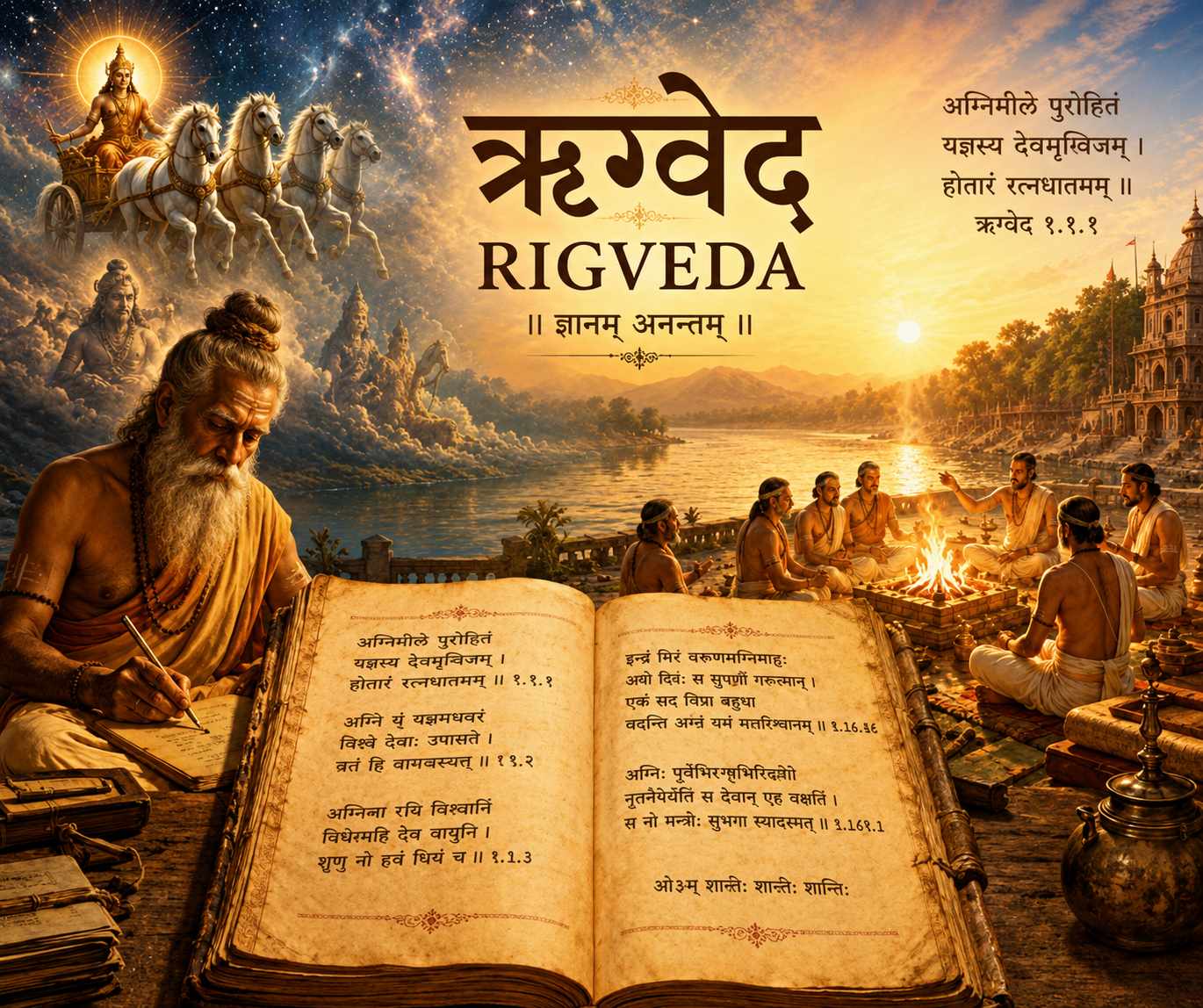
Rigveda
According to the Vedic tradition, the Rigveda was revealed by Parmatma for all of humanity.It is a s...
Explore →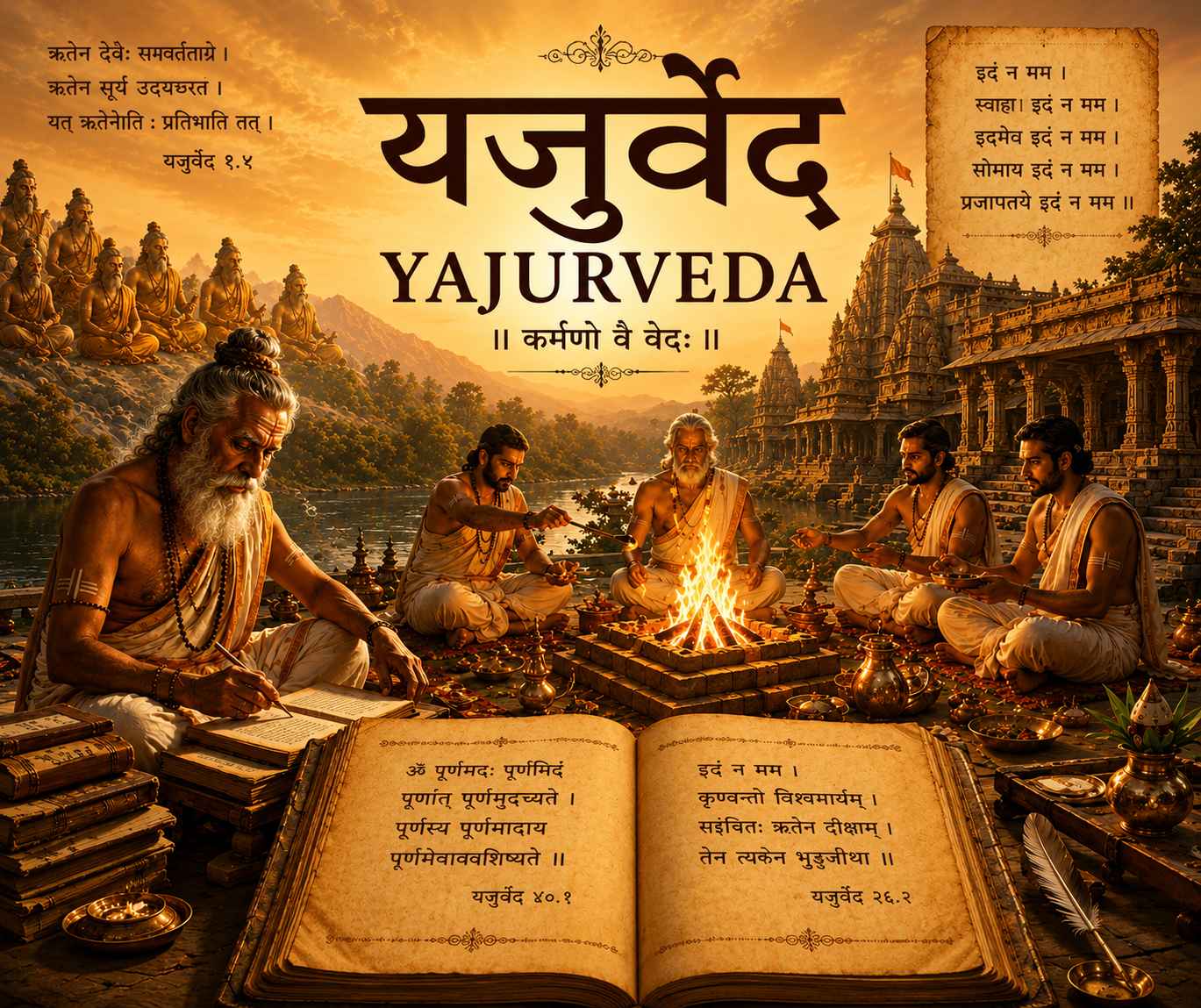
Yajurveda
According to the Vedic tradition, the Yajurveda was revealed by Parmatma for all of humanity.It is o...
Explore →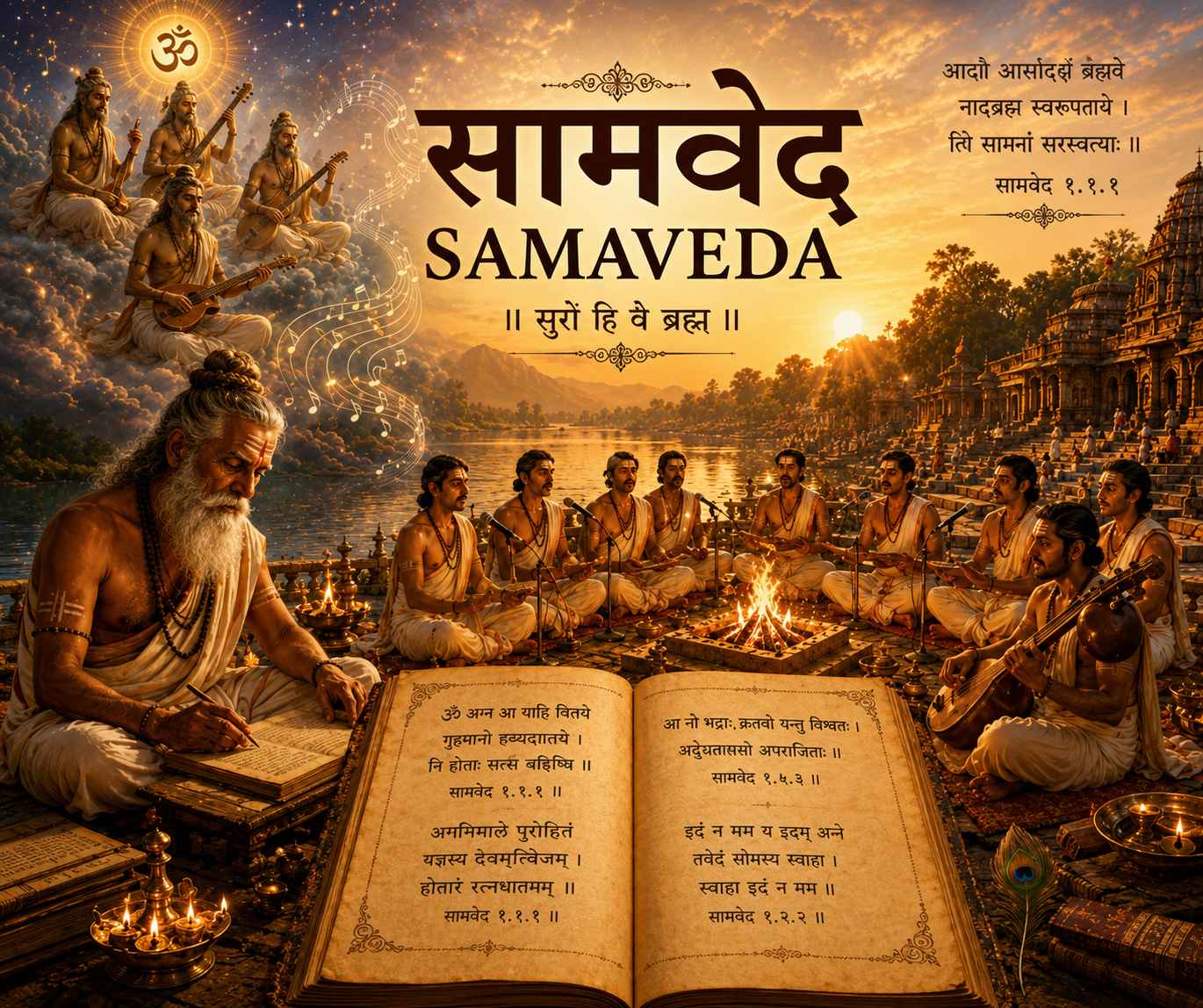
Samveda
According to the Vedic tradition, the Samveda was revealed by Parmatma for all of humanity.It is one...
Explore →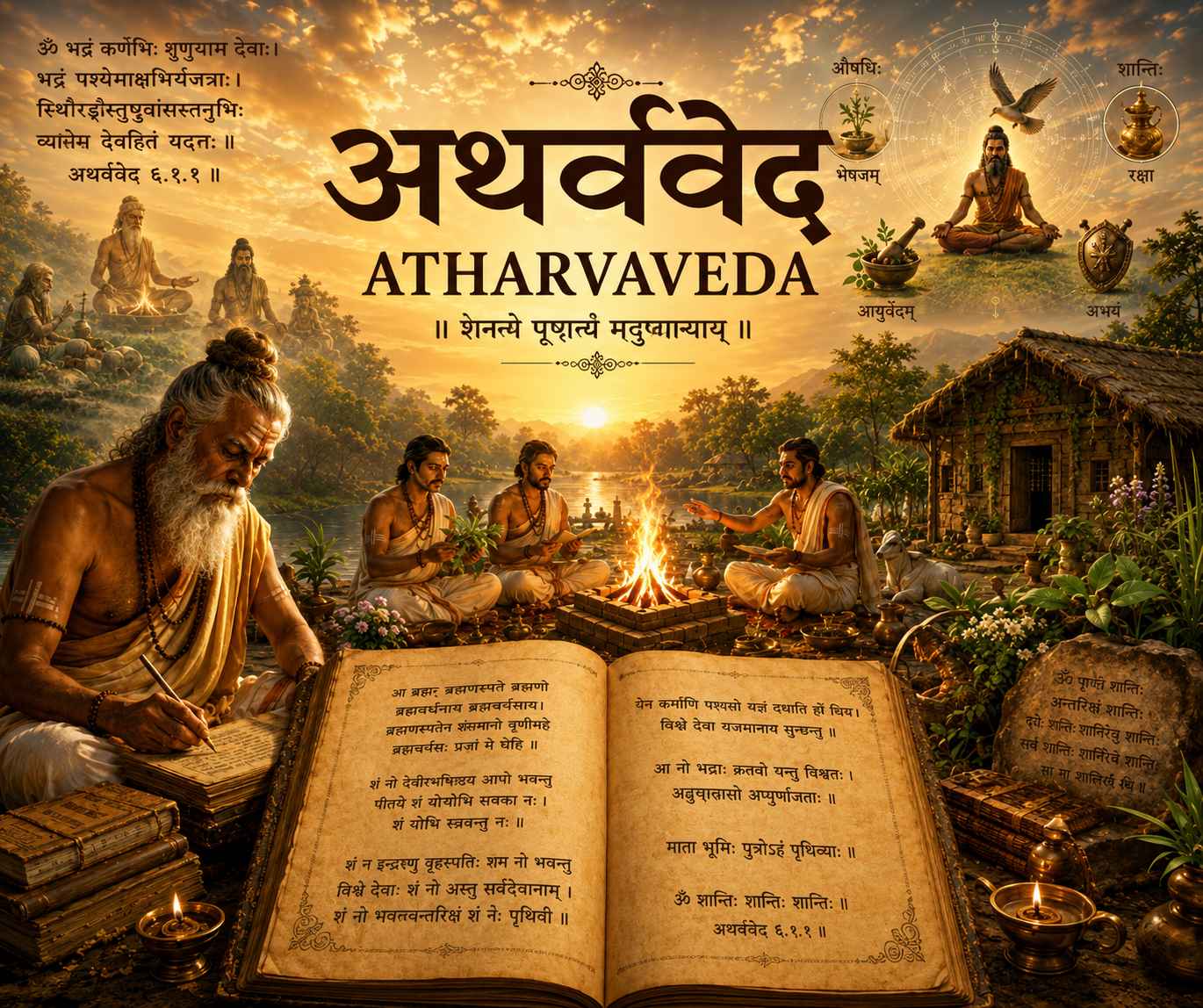
Atharvaveda
According to the Vedic tradition, the Atharvaveda was revealed by Parmatma for all of humanity.It is...
Explore →Darshana
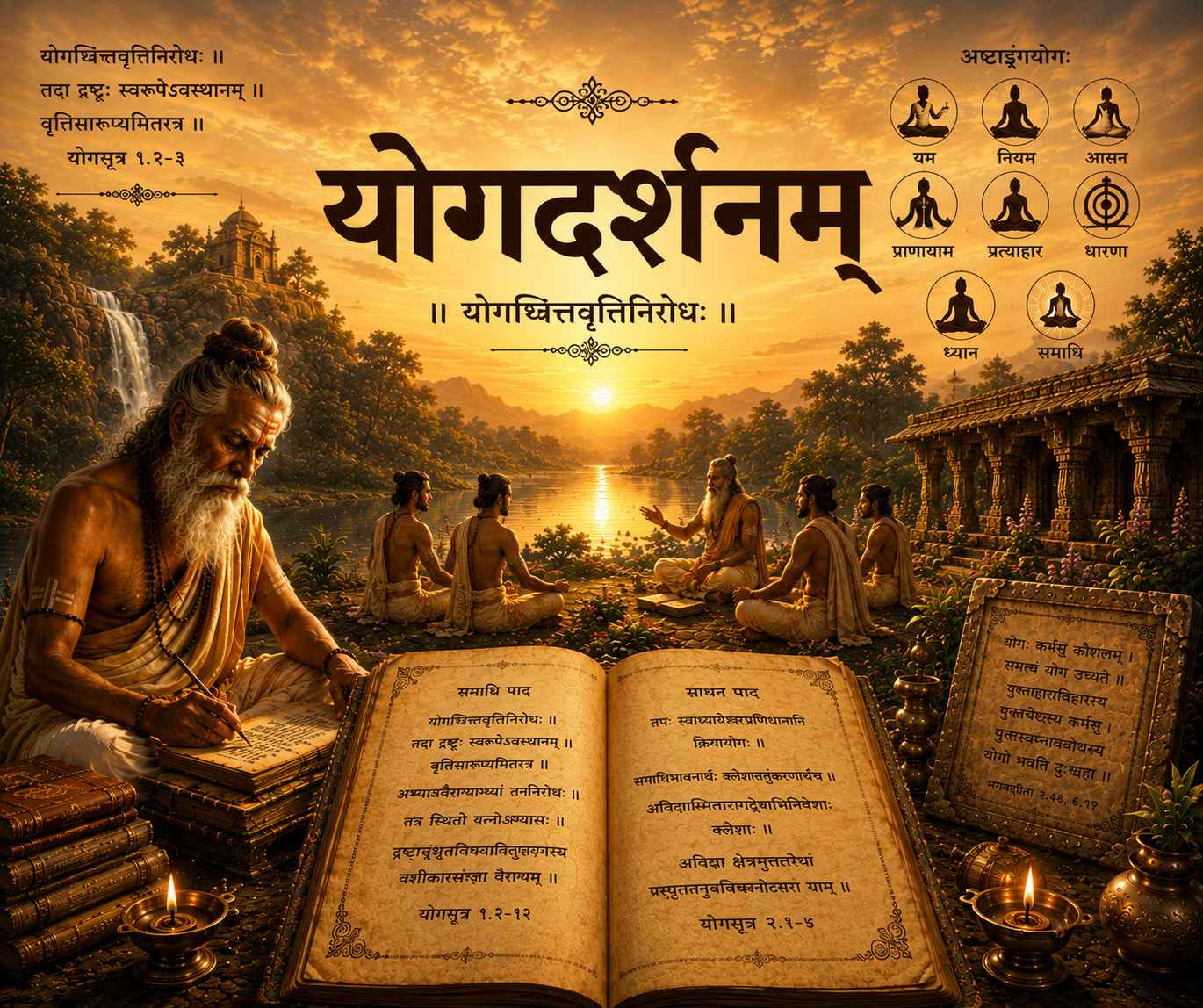
Yogdarshanam
Yoga (Yogdarśanam) is one of the six orthodox systems of Indian philosophy and was systematically pr...
Explore →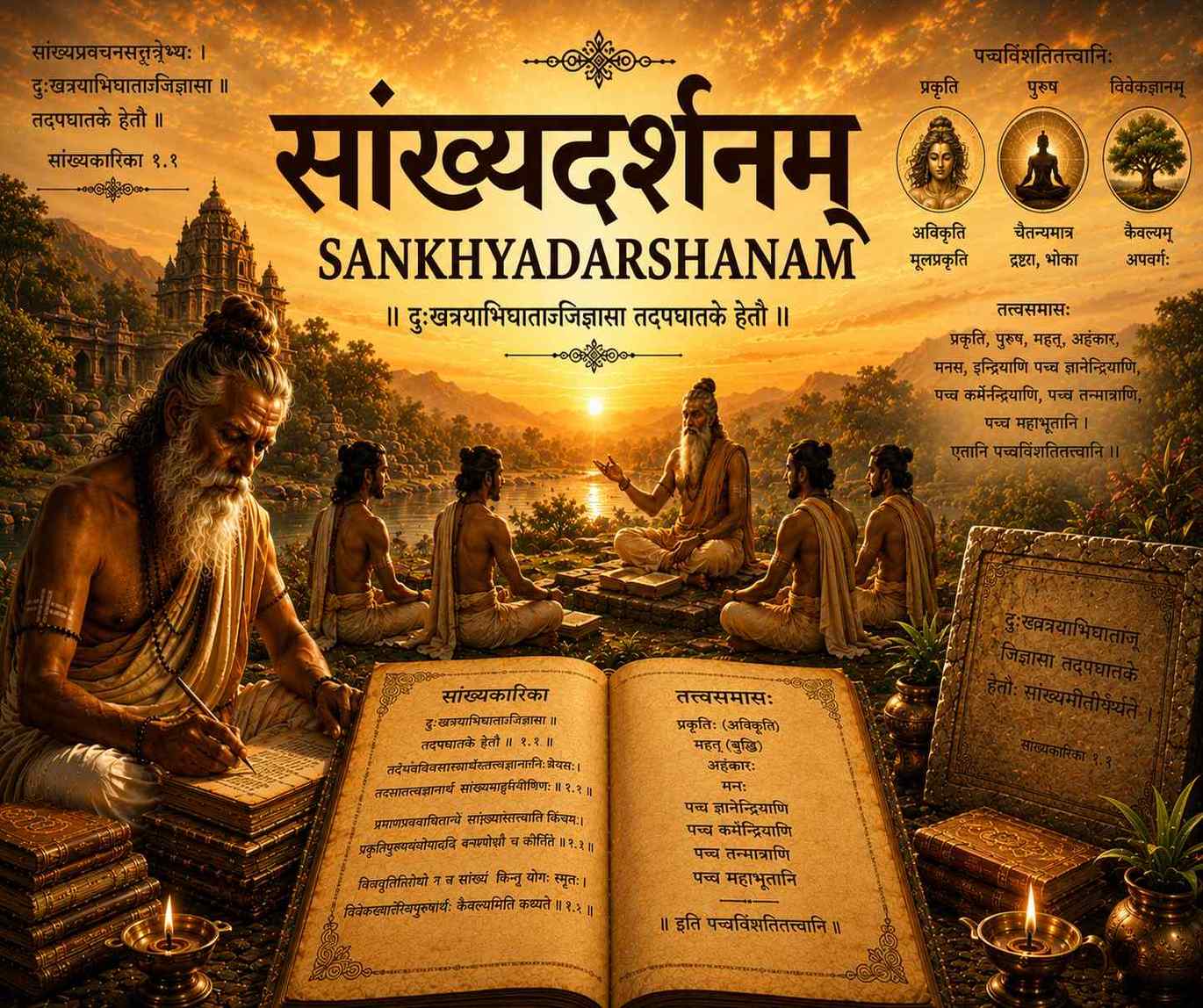
Sankhyadarshanam
Samkhya (Sāṅkhyadarśanam) is one of the six orthodox systems of Indian philosophy and is traditional...
Explore →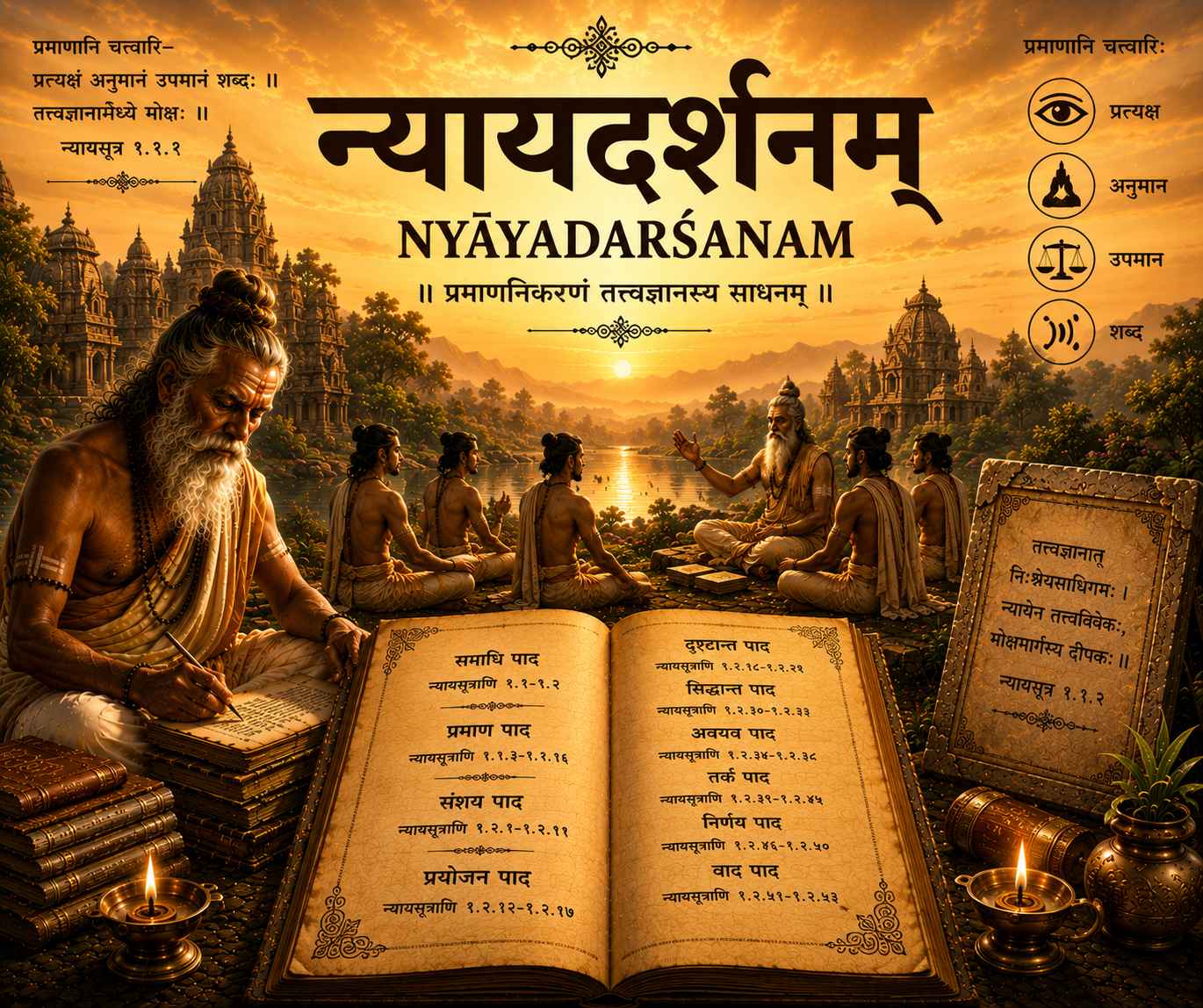
Nyaydarshanam
Nyaya (Nyāyadarśanam) is one of the six orthodox systems of Indian philosophy and is traditionally a...
Explore →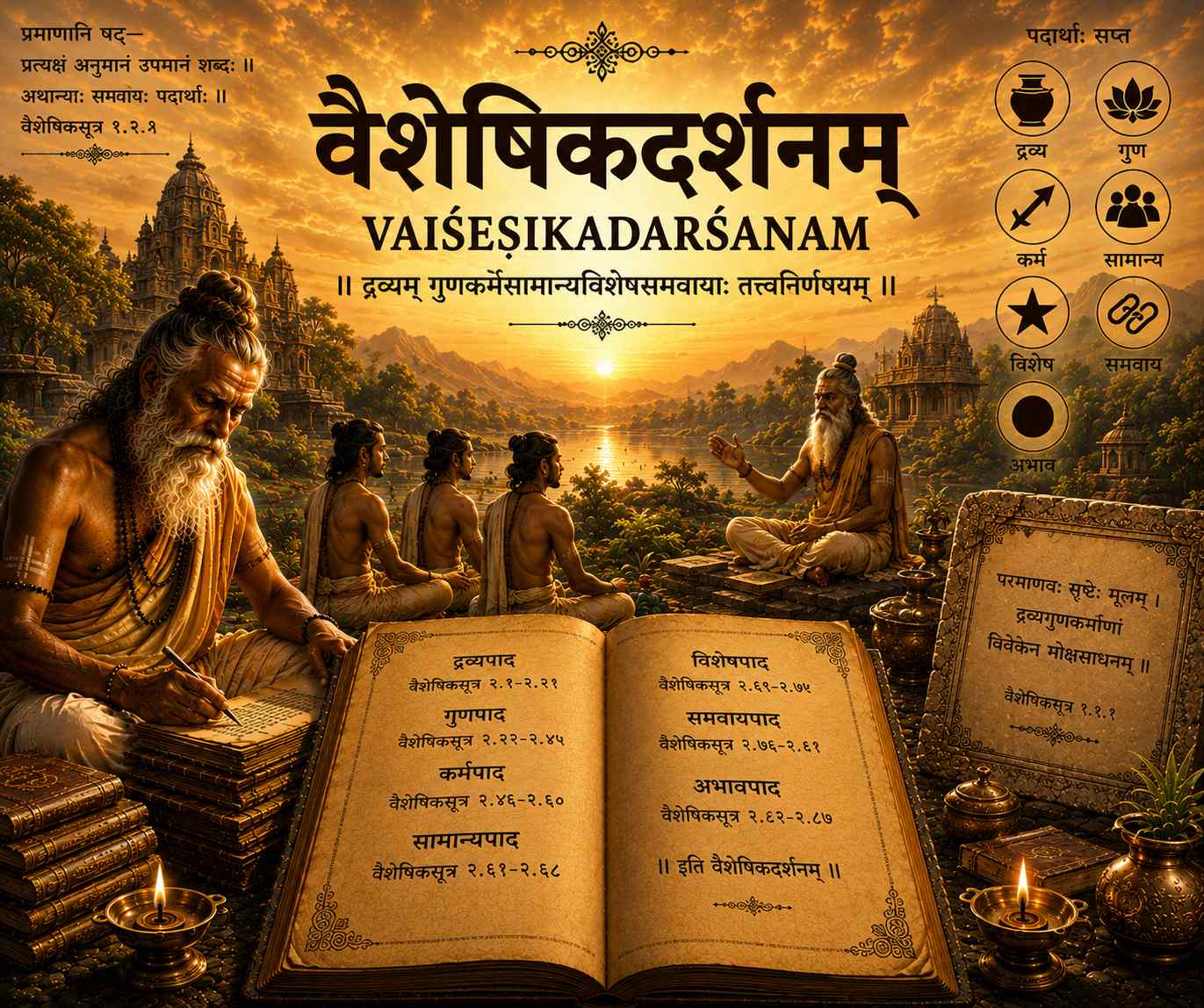
Vaisheshik Darshanam
Vaisheshika (Vaiśeṣikadarśanam) is one of the six orthodox systems of Indian philosophy and is tradi...
Explore →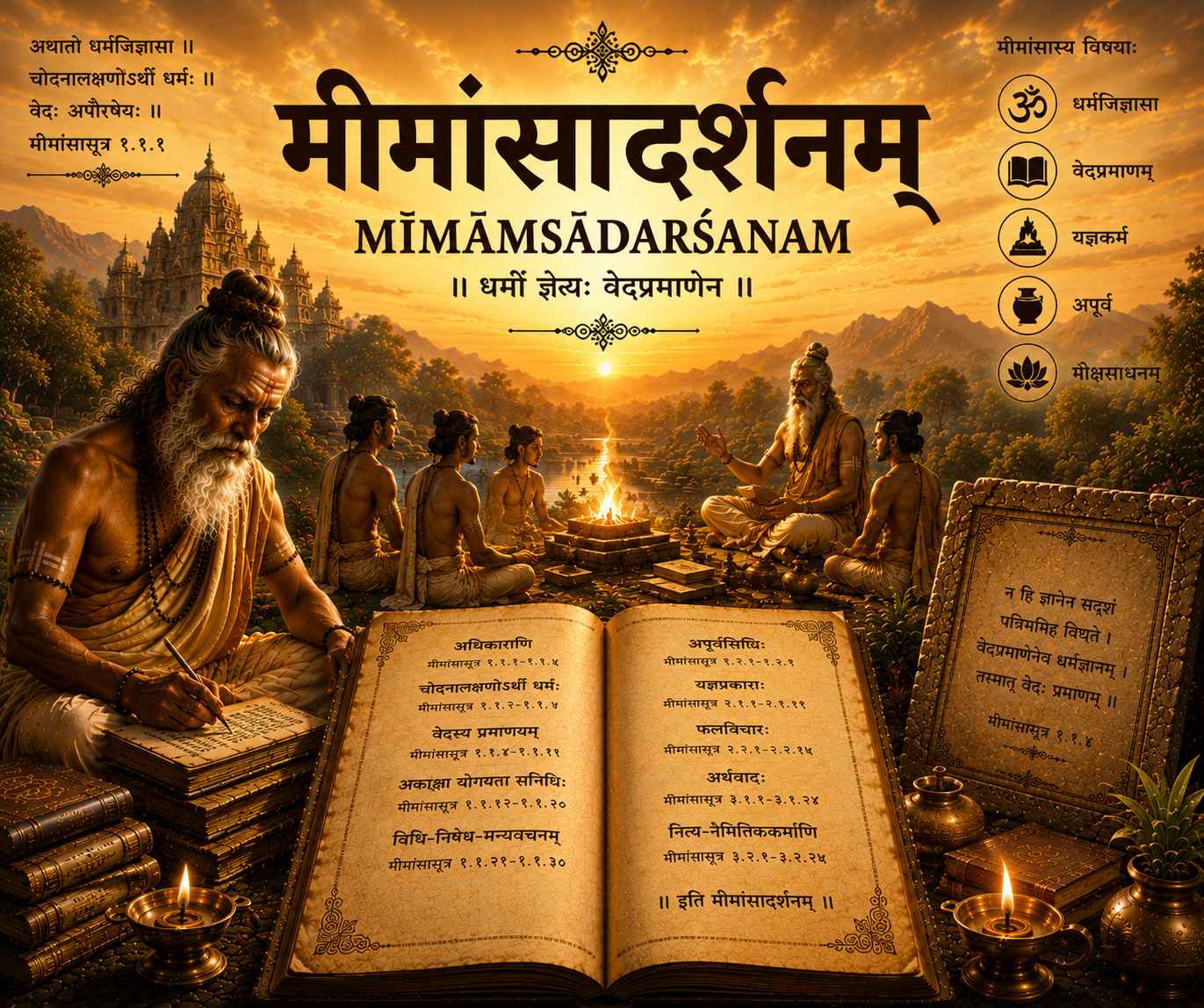
Mimansa Darshanam
Mimamsa (Mīmāṃsādarśanam) is one of the six orthodox systems of Indian philosophy and is traditional...
Explore →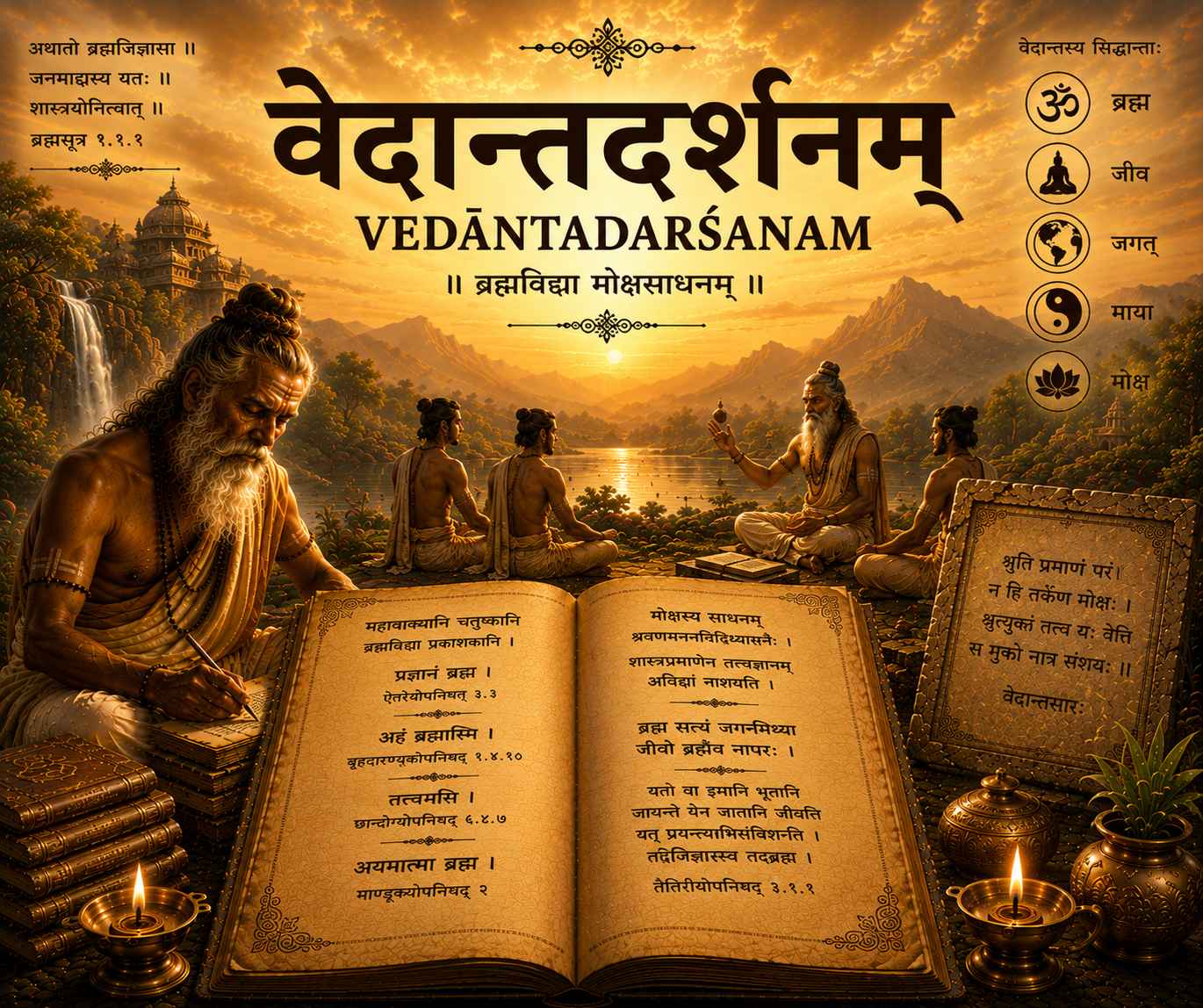
Vedant Darshanam
Vedanta (Vedāntadarśanam) is one of the six orthodox systems of Indian philosophy and is traditional...
Explore →Smriti
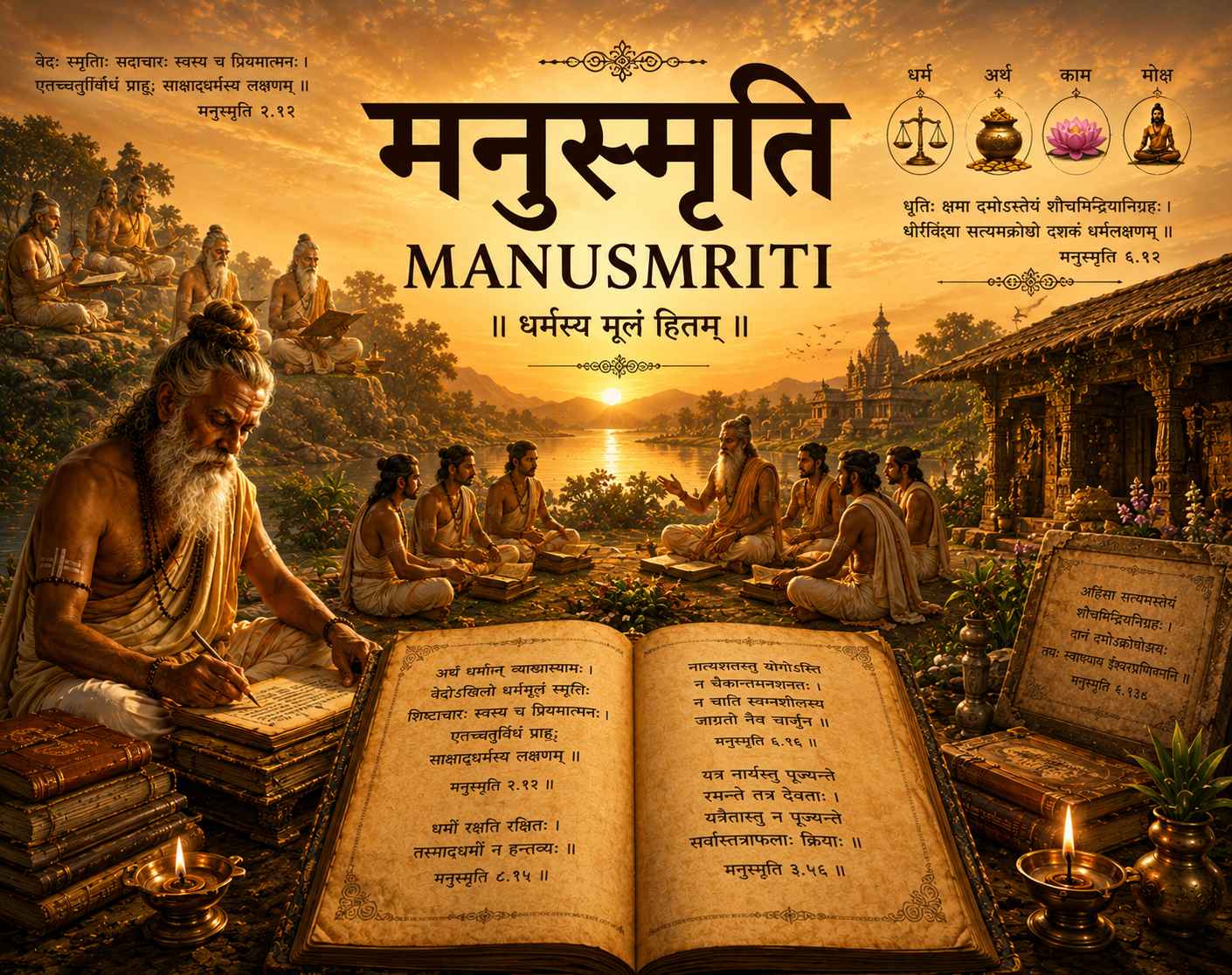
Manusmriti
Manusmriti is one of the ancient Sanskrit texts of India, traditionally attributed to the sage Manu....
Explore →Gita
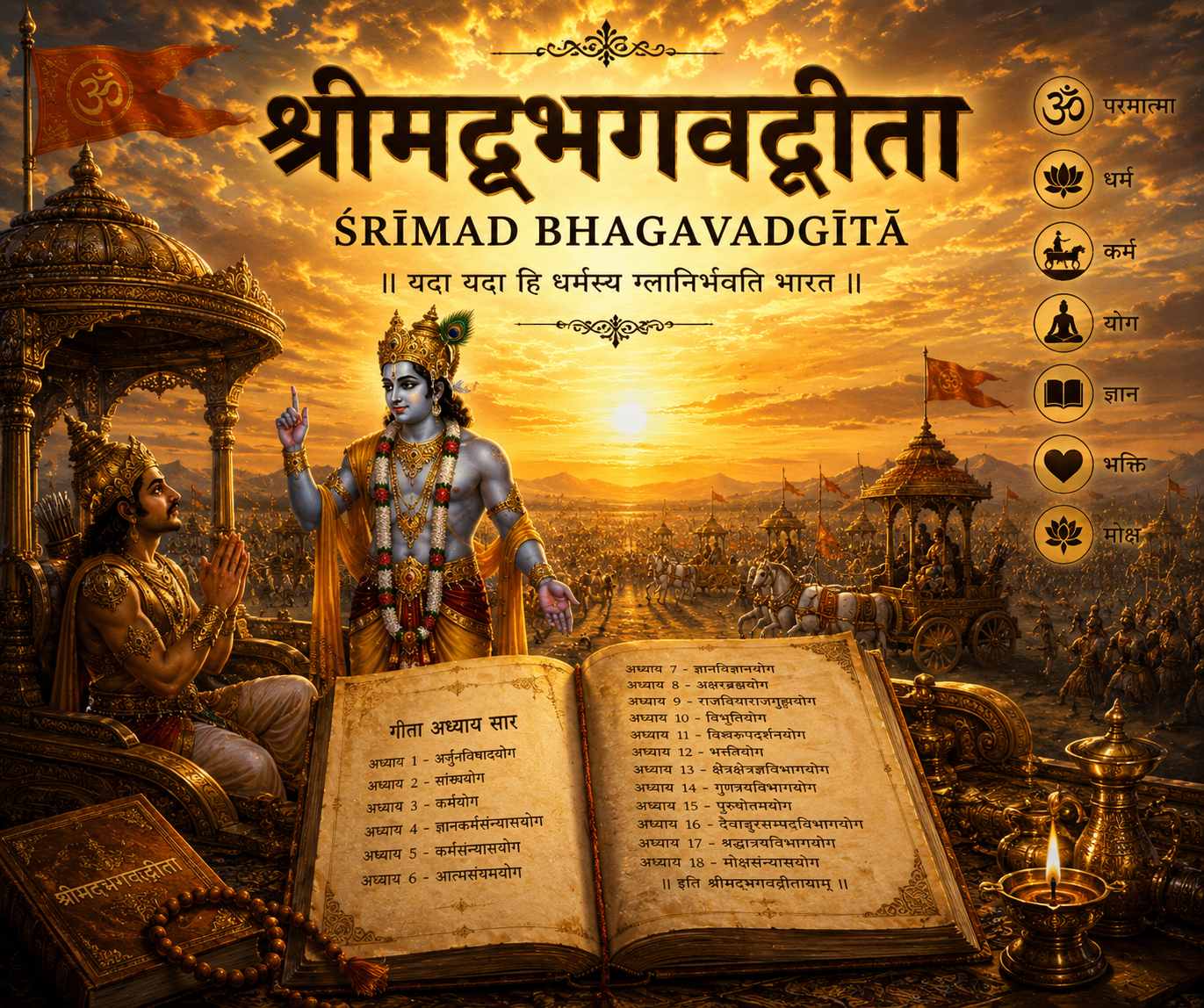
Shrimad Bhagavadgita
The Shrimad Bhagavad Gita is a great scripture of Indian philosophy and spiritual wisdom.In it, Shri...
Explore →Ramayan
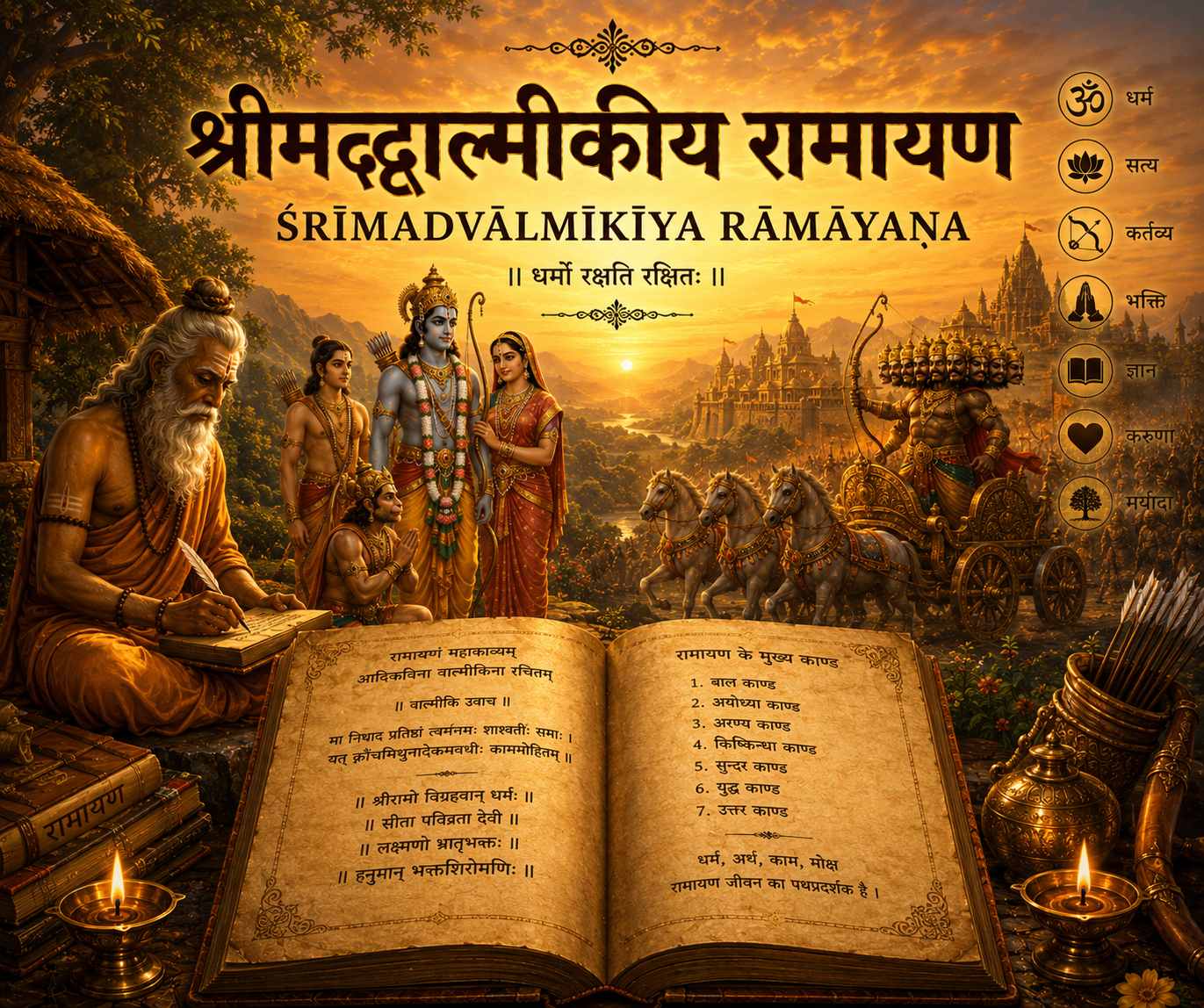
Shrimadvalmikiya Ramayan
Śrīmad Vālmīkīya Rāmāyaṇa is the timeless epic composed by Maharishi Valmiki, revered as the Ādikavi...
Explore →History
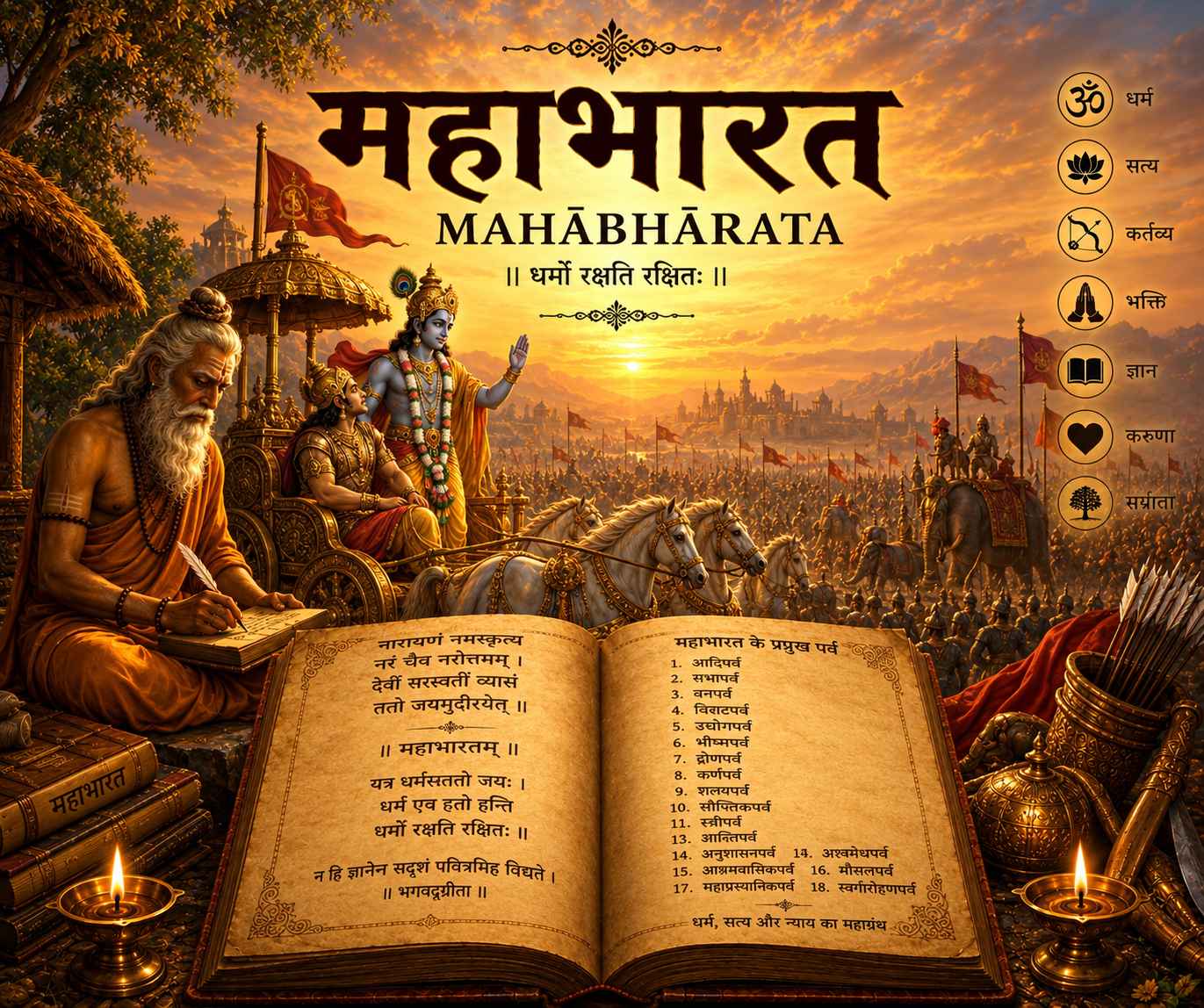
Mahabharat
The Mahabharata is one of the greatest and most timeless epics of ancient India. It tells the extrao...
Explore →